Understanding the psychology of winning in the casino environment
The Allure of Gambling
Gambling captivates many individuals due to its promise of immediate rewards and the thrill of uncertainty. The psychology behind this allure hinges on the concept of variable reinforcement, which refers to the unpredictable nature of payouts. This unpredictability can create excitement, as players never know when they might hit the jackpot. To help navigate this thrilling experience, we’ve compiled a guide to the best betting sites, keeping in mind that this dynamic keeps individuals engaged and returning for more, often leading them to overlook potential losses.
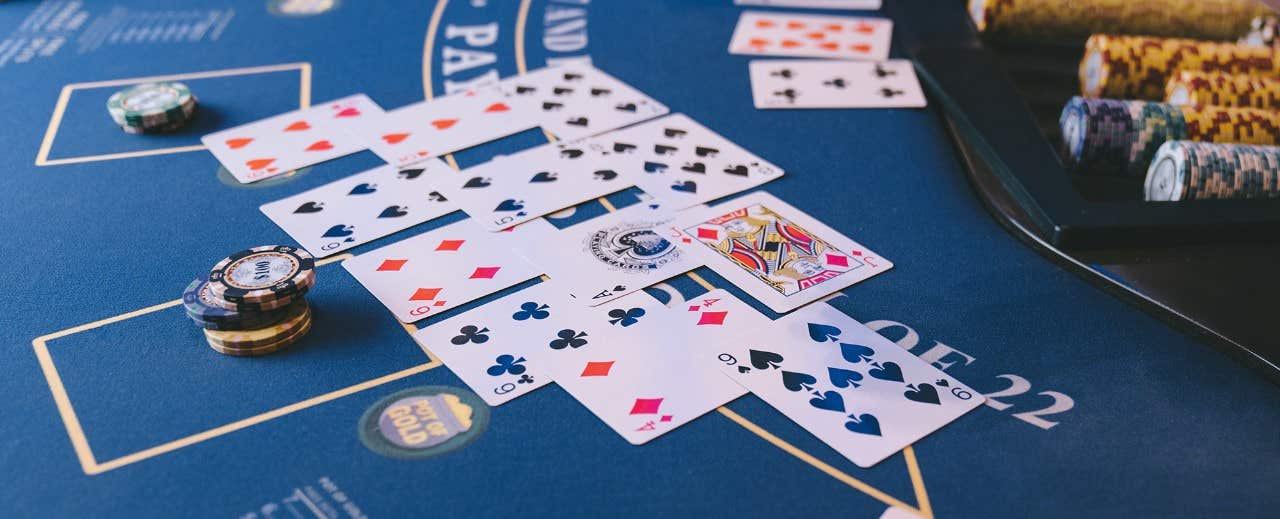
Furthermore, the environment of a casino is designed to amplify this allure. Bright lights, vibrant sounds, and enticing visuals stimulate the senses, creating an atmosphere that encourages risk-taking. These elements work together to heighten emotional responses, making the experience more immersive and, consequently, more addictive.
The Role of Cognitive Biases
Cognitive biases play a significant role in how individuals perceive their chances of winning at casinos. One common bias is the illusion of control, where players believe they can influence outcomes in games of chance, such as slots or roulette. This belief can lead to misguided strategies and an overestimation of one’s skills, often resulting in increased betting and subsequent losses.
Another prevalent bias is the gambler’s fallacy, where individuals think past events will influence future outcomes. For instance, a player might believe that a certain slot machine is “due” for a payout after a series of losses. These biases can distort perceptions of reality, ultimately impacting decision-making and leading to a cycle of chasing losses.
The Impact of Emotions on Decision-Making
Emotions significantly influence gambling behavior and decision-making processes in the casino environment. When players are excited or euphoric after a win, they may take greater risks, believing their luck will continue. Conversely, feelings of frustration or despair after losses can lead to reckless behavior, such as increasing bets in an attempt to recover losses quickly.
This emotional rollercoaster can cloud judgment and lead to impulsive decisions. Understanding the interplay between emotions and gambling behavior is crucial for individuals aiming to maintain control over their actions and mitigate potential negative consequences.
The Importance of Mindset in Winning
A winning mindset is vital for success in the casino environment. Players who adopt a strategic approach are more likely to make informed decisions and manage their bankroll effectively. This involves setting limits, recognizing when to walk away, and understanding the odds of various games. A disciplined mindset fosters a healthier relationship with gambling, reducing the likelihood of problematic behavior.
Moreover, cultivating resilience against losses is essential. Accepting that gambling involves inherent risks and that losses are part of the game can help players maintain a balanced perspective. This mindset shift can lead to a more enjoyable gambling experience, focused on entertainment rather than solely on winning.

Explore More at Our Platform
At our platform, we provide valuable insights into the psychology of gambling and offer resources designed to enhance your understanding of this complex environment. Whether you’re a casual player or a seasoned gambler, our extensive articles and guides can equip you with the knowledge to make informed decisions and enjoy your time at the casino responsibly.
Join us as we delve deeper into the fascinating world of gambling psychology, offering tips and strategies to navigate the casino landscape effectively. Together, we can enhance your gaming experience while promoting responsible gambling practices.